


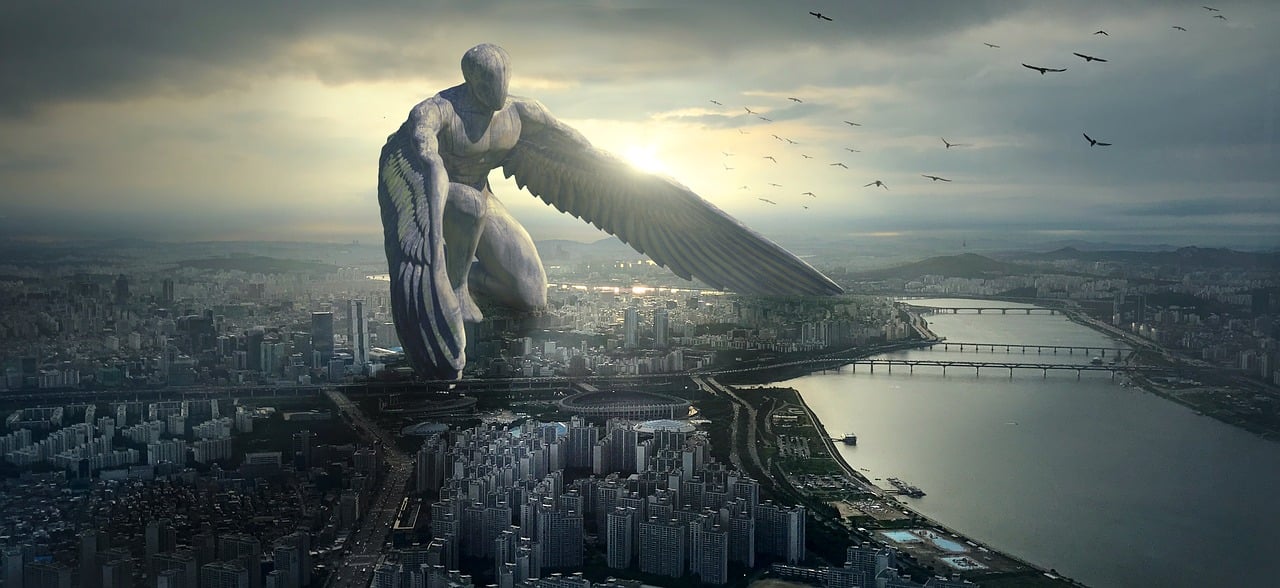
The Orisha (Òrìṣà) are divine spirits central to the Yoruba religion, rooted in the cultural and spiritual traditions of Nigeria, Benin, and Togo. As emissaries of Olódùmarè, the Supreme Creator, they act as guardians of natural forces and human virtues. Their legacy has traveled across the Atlantic, shaping the spiritual practices of the African diaspora in places like Cuba, Brazil, and Haiti.
Creation and Cosmic Order
According to Yoruba cosmology, Olódùmarè delegated the task of world creation to the Orisha. Obatala was the first chosen but faltered in his mission due to intoxication. Oduduwa, another divine being, stepped in to complete the task. This myth explains how the world was formed and reflects the intricate hierarchy of divine responsibility and human imperfection.
Meet the Orisha: Spirits of Nature and Character
Each Orisha represents a blend of natural elements and human emotions. They embody distinct archetypes and oversee various aspects of existence:
- Obatala (Òrìṣà-Ńlá)
Domain: Wisdom, purity, and creation
Symbol: White garments and staff
Myth: Created humanity but, in his drunken state, birthed people with deformities. He later vowed to protect them.
- Shango (Ṣàngó)
Domain: Thunder, fire, and leadership
Symbol: Double-headed axe
Myth: A powerful warrior king who was struck down by his own lightning powers, later becoming deified.
- Oshun (Òṣun)
Domain: Love, fertility, rivers
Symbol: Mirror, honey, and flowing water
Myth: Her tears formed rivers; she restored balance to the world by bringing unity among the Orisha.
- Ogun (Ògún)
Domain: Iron, war, and technology
Symbol: Iron tools and weapons
Myth: Cleared paths through forests with a machete, allowing civilization to develop.
- Yemaya (Yemoja)
Domain: Oceans, motherhood, and healing
Symbol: Seashells and the color blue
Myth: Mother of all Orisha, transformed into a river that led to the sea when pursued.
- Eshu (Èṣù)
Domain: Crossroads, communication, and duality
Symbol: Cowrie shells, red and black colors
Myth: Trickster and messenger; disrupted rituals until properly acknowledged.
- Oya (Ọya)
Domain: Wind, storms, change
Symbol: Tornadoes and lightning
Myth: Warrior spirit who guards the cemetery gates and brings transformation through storms.
Global Pantheons: A Timeline of Divine Intersections
Before the Orisha stories, other ancient civilizations developed complex pantheons. Their timelines often intersect, and their stories bear striking similarities.
- The Annunaki (Sumerians – ~3500 BCE)
Origin: Ancient Mesopotamia (modern-day Iraq)
Beliefs: The Annunaki were gods who came from the heavens to rule Earth, often considered extraterrestrial or divine kings.
Worship: Temples, ziggurats, and cuneiform tablets preserved their myths. They influenced myths about divine rulers and fallen gods.
- The Watchers (Hebrew/Book of Enoch – ~3000 BCE)
Origin: Early Semitic and Hebrew traditions
Beliefs: The Watchers were angels assigned to observe humanity. Some fell to Earth and took human wives, leading to the birth of the Nephilim.
Worship: Not worshiped, but feared and revered in apocalyptic texts. They were punished for transgressing divine law.
- Greek Gods (Greece – ~1200 BCE onward)
Origin: Indo-European and Minoan influences shaped Mount Olympus mythology.
Beliefs: A pantheon led by Zeus, featuring gods like Athena, Hermes, and Poseidon. Themes of love, war, nature, and morality dominate.
Worship: Ritual sacrifice, temples, festivals like the Olympics.
- Yoruba Orisha (West Africa – ~1000 BCE onward)
Origin: Indigenous African cosmology
Beliefs: Divine spirits of nature and morality, created by Olódùmarè to maintain balance
Worship: Offerings, drumming, dance, possession ceremonies, Ifá divination
Intersecting Myths and Shared Symbols
Sky Gods: Olódùmarè (Yoruba), Anu (Sumerian), Zeus (Greek) – all rule the heavens.
Divine Messengers: Eshu (Yoruba), Hermes (Greek), Nabu (Sumerian) – mediators between worlds.
Storm and War Deities: Shango (Yoruba), Baal (Canaanite), Zeus (Greek), Enlil (Sumerian)
Mother Goddesses: Yemaya (Yoruba), Ninhursag (Sumerian), Gaia (Greek), Isis (Egyptian)
Truth, Fabrication, and Cultural Influence
Who is copying who? Cultures evolve by borrowing and adapting from others. The similarities between pantheons are more likely signs of shared human archetypes than plagiarism.
What is true? Oral tradition, myth, and symbolic language tell truth in metaphor. Truth varies by purpose: moral, social, or spiritual.
Who is right or wrong? Each system reflects a people’s worldview. The goal is not to determine superiority but to understand the wisdom in each.
Rituals and Worship Across Cultures
Sumerians: Built massive ziggurats, offered food and incense, and preserved myths in clay tablets.
Hebrews: Feared divine punishment, followed strict moral codes, and engaged in sacrifices.
Greeks: Honored gods through festivals, oracles, and community rituals.
Yoruba: Use drumming, trance, offering, and divination to connect with Orisha.
Conclusion: A Shared Human Quest
Across continents and millennia, humanity has sought to explain existence, order nature, and build moral systems through divine figures. The Orisha, like the Annunaki, Watchers, and Olympians, are part of this timeless story. Their enduring legacy reveals the unity beneath our diverse spiritual expressions.
Honor the Orisha. Explore the divine in all traditions. Reclaim the wisdom of your roots.
The presentation has been expanded and retitled “The Origins of the Orisha’s” to include the Annunaki, The Watchers, and Greek gods in chronological order. It now explores their origins, belief systems, intersections, and cultural influences—highlighting what’s similar, unique, borrowed, or archetypal.
